Brandywine Conservancy & Museum of Art
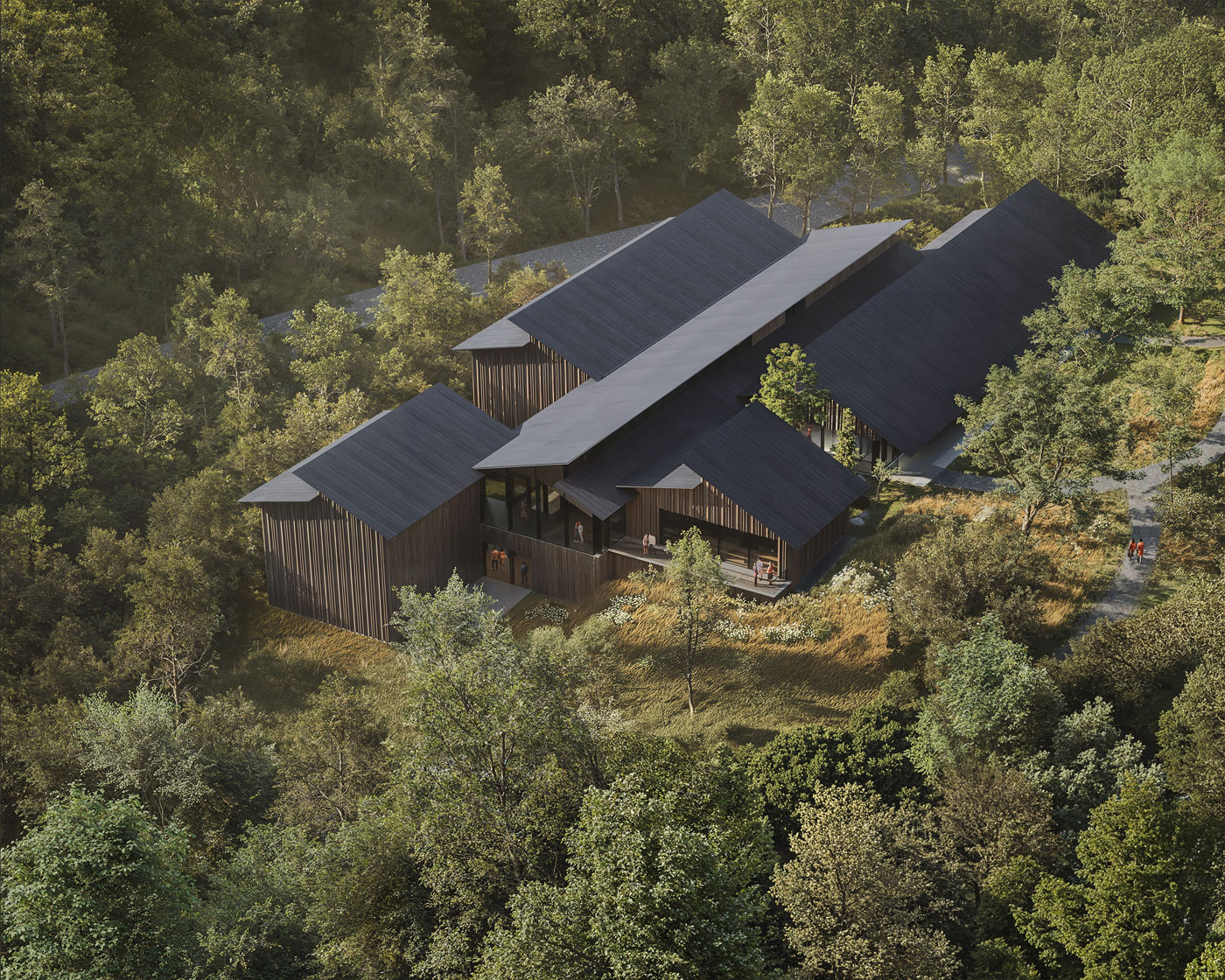
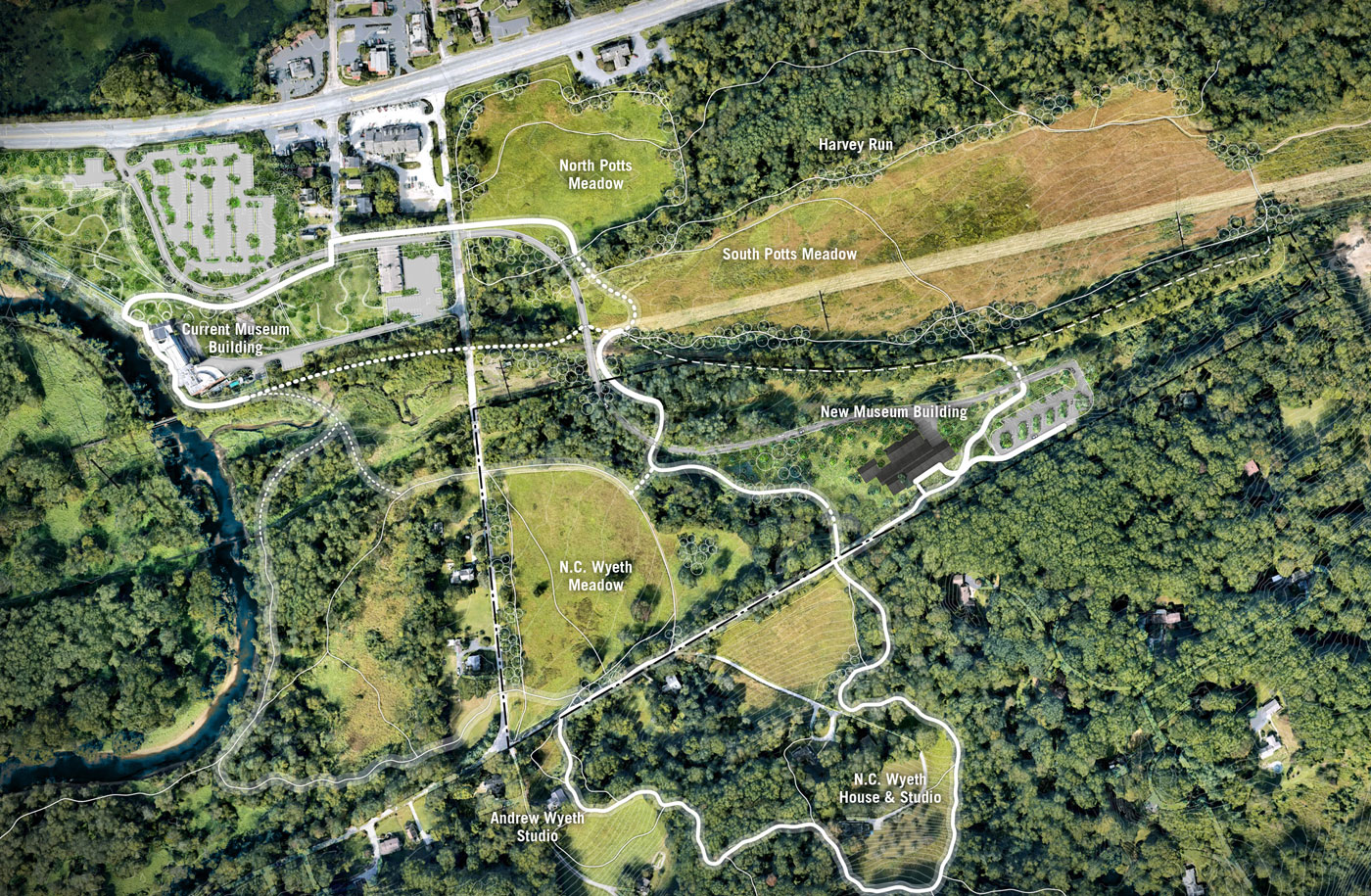
The Brandywine Conservancy & Museum of Art is undergoing a transformative campus expansion that redefines the relationship between art, landscape, and public experience. Anchored by a new museum building designed by Kengo Kuma & Associates and a landscape vision by Field Operations, the approximately $100 million project expands the institution into a 325-acre cultural and environmental destination that integrates architecture, ecology, and the visual arts. At the center of the project is a new 40,000-square-foot museum building conceived as a contemporary counterpart to the historic Mill building.
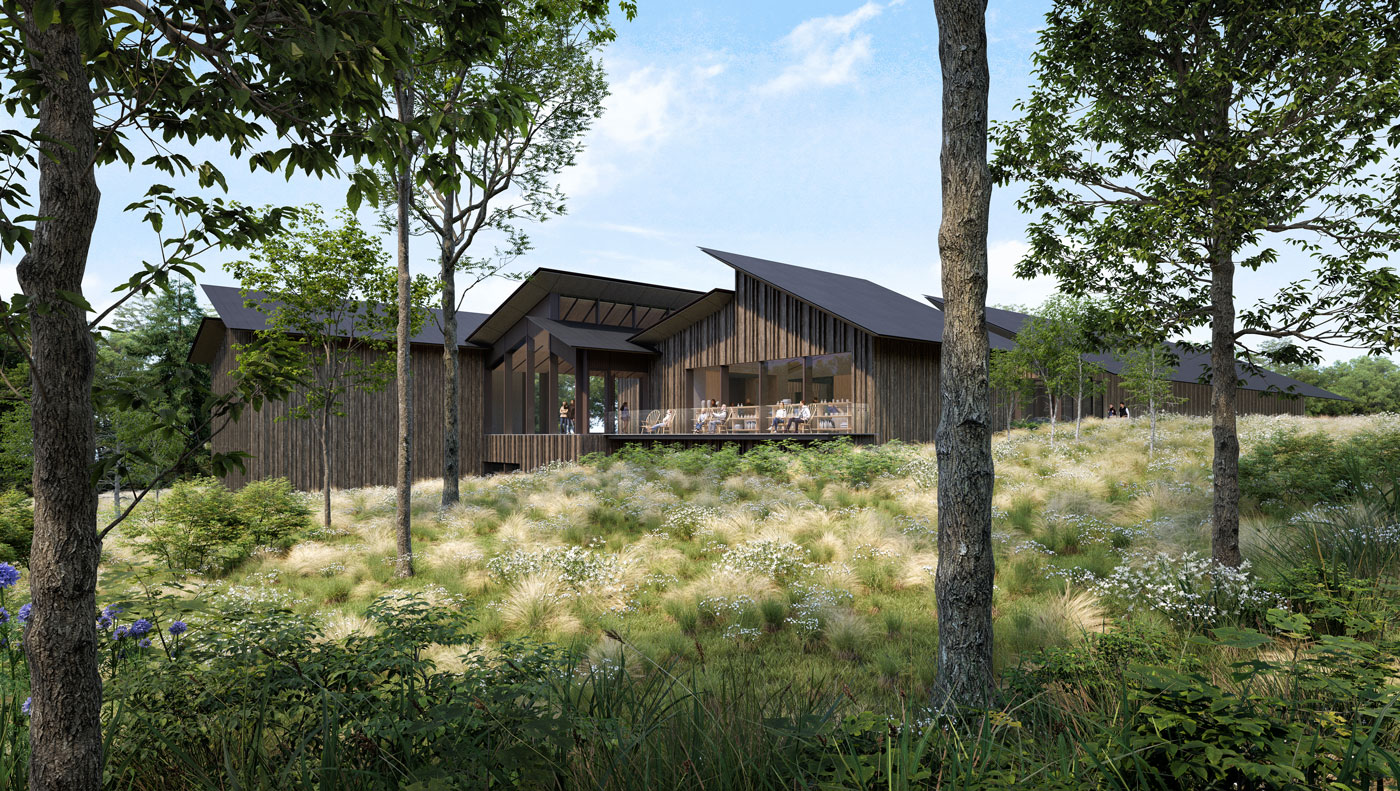
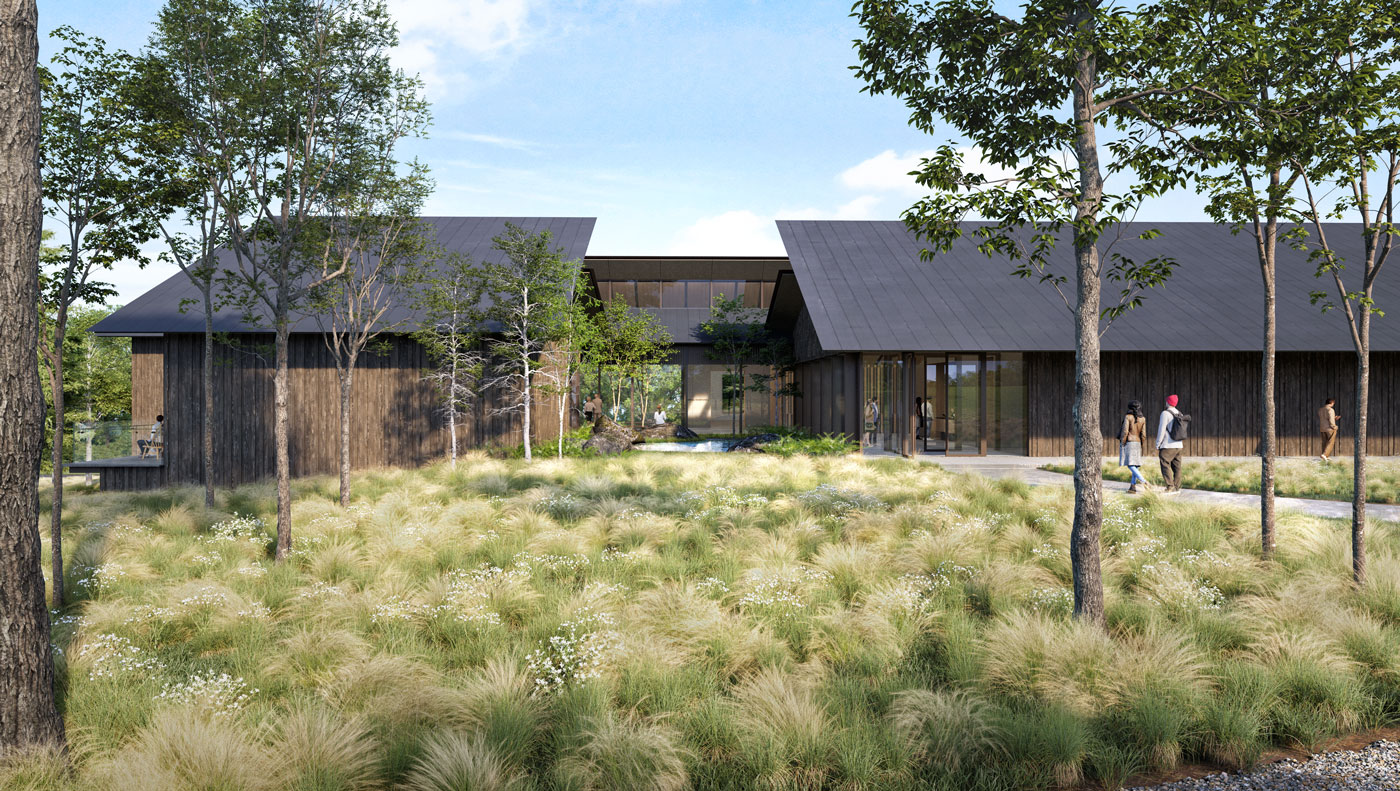
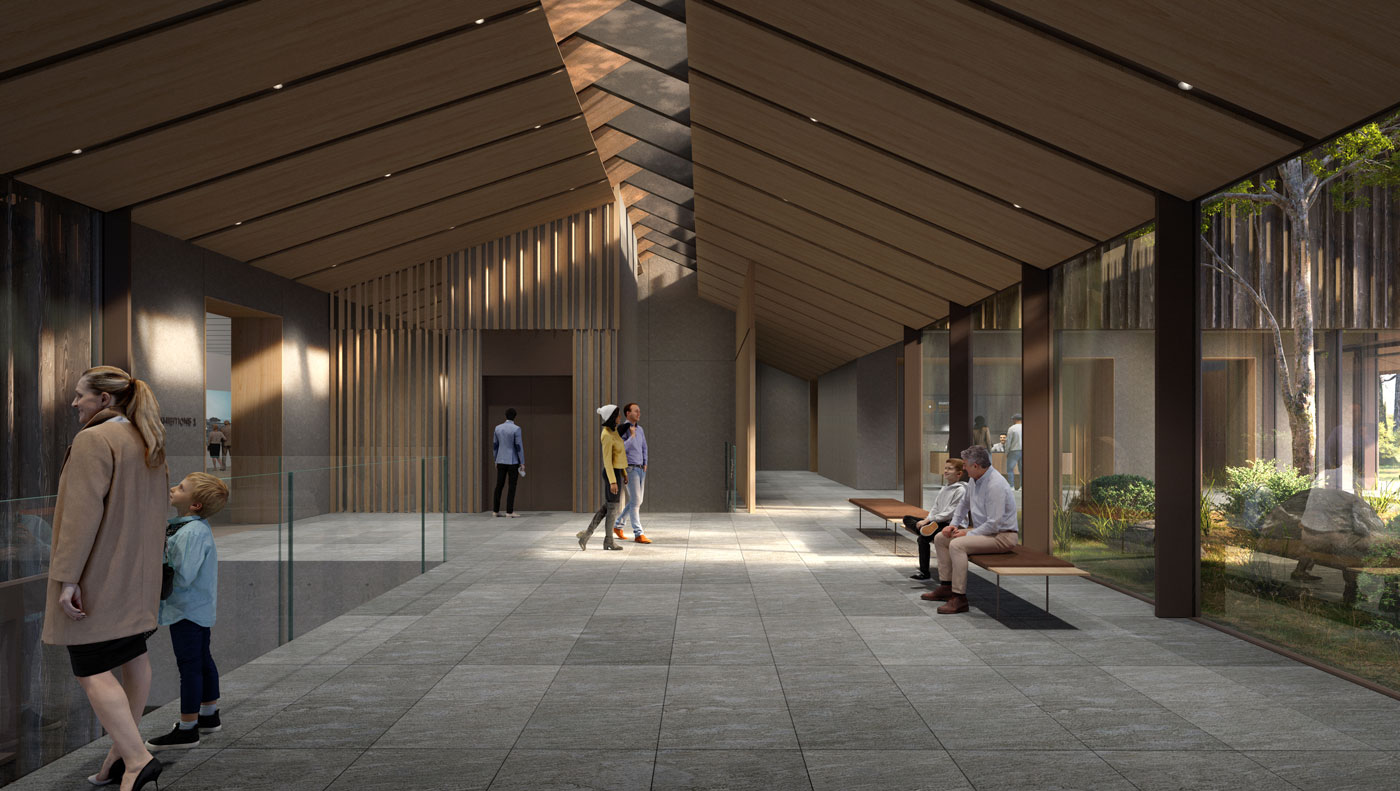
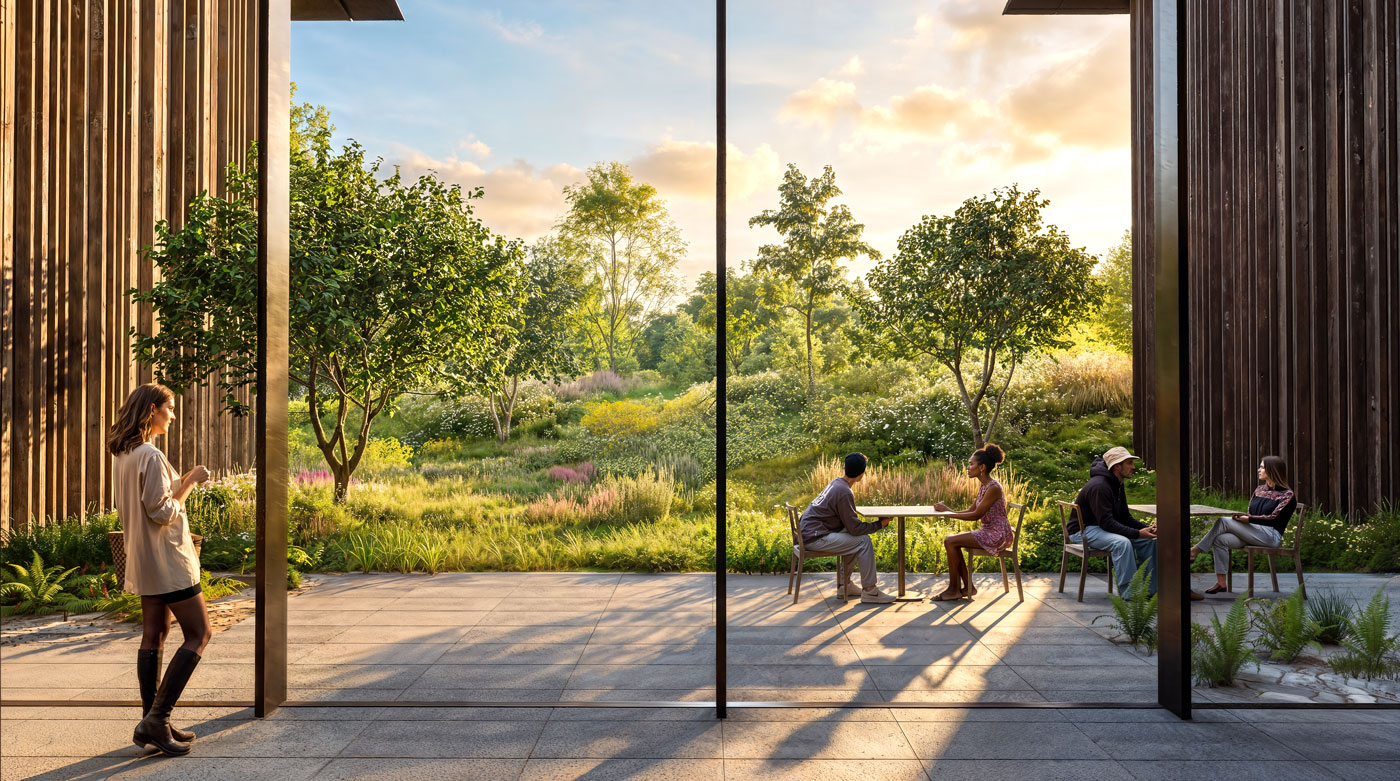
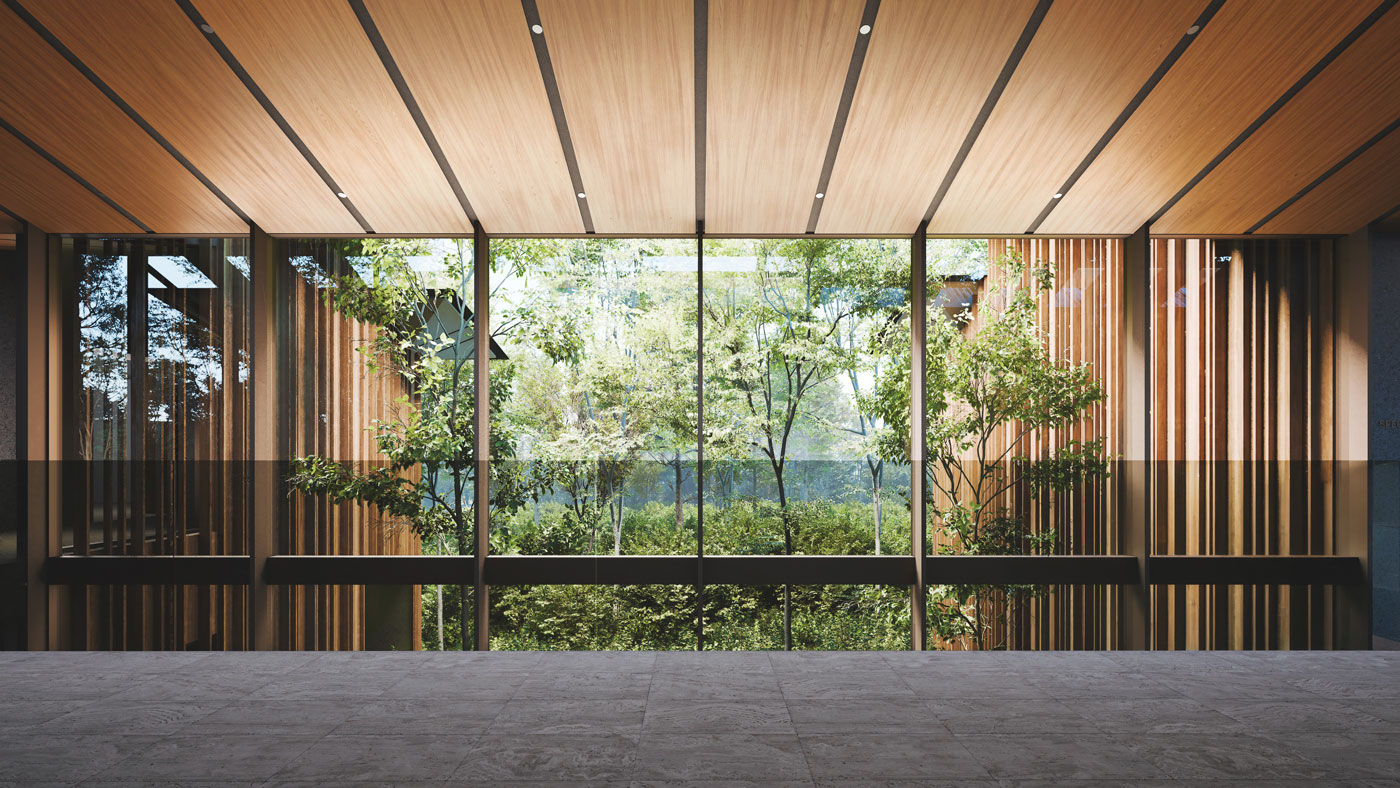
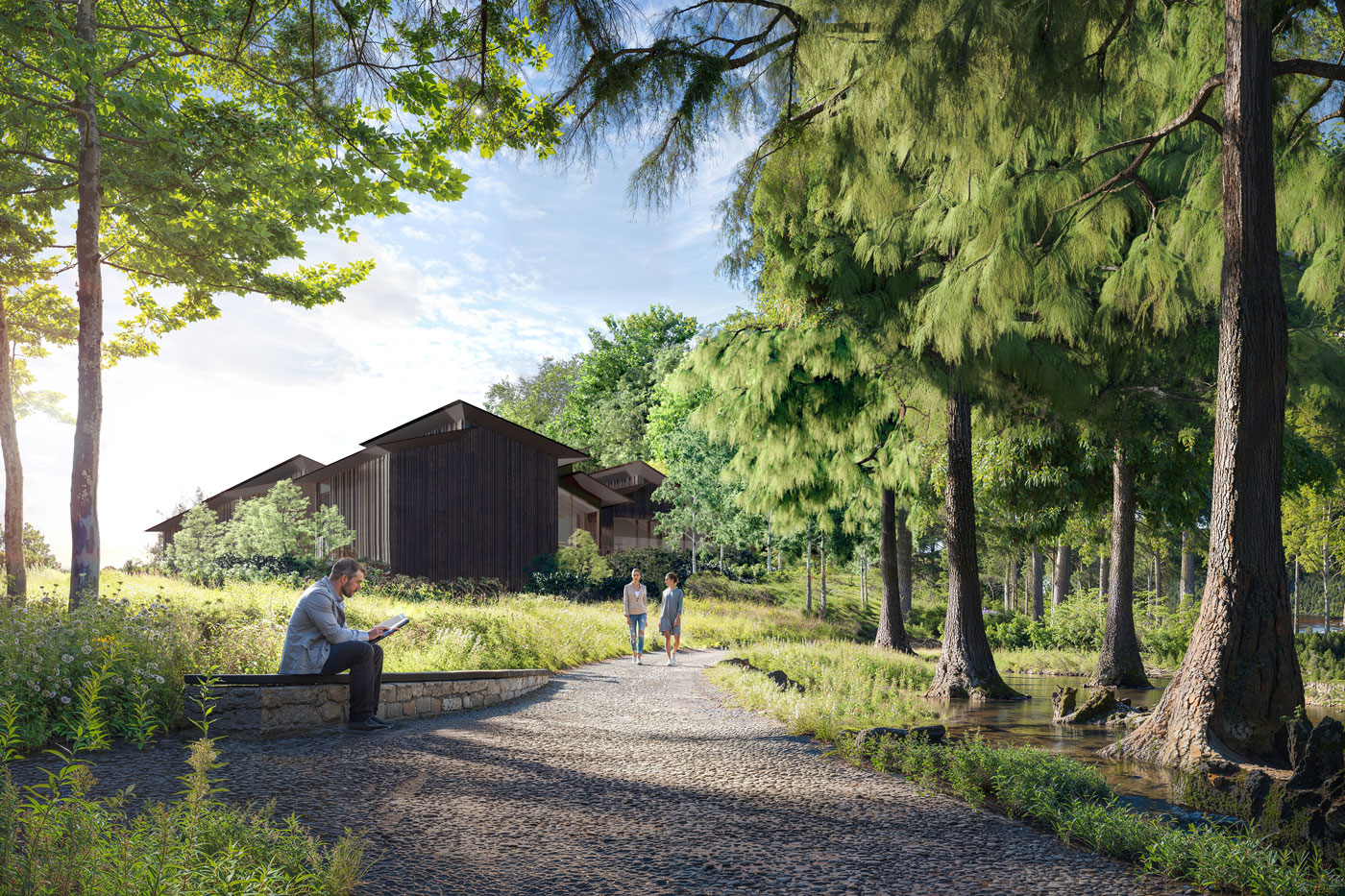
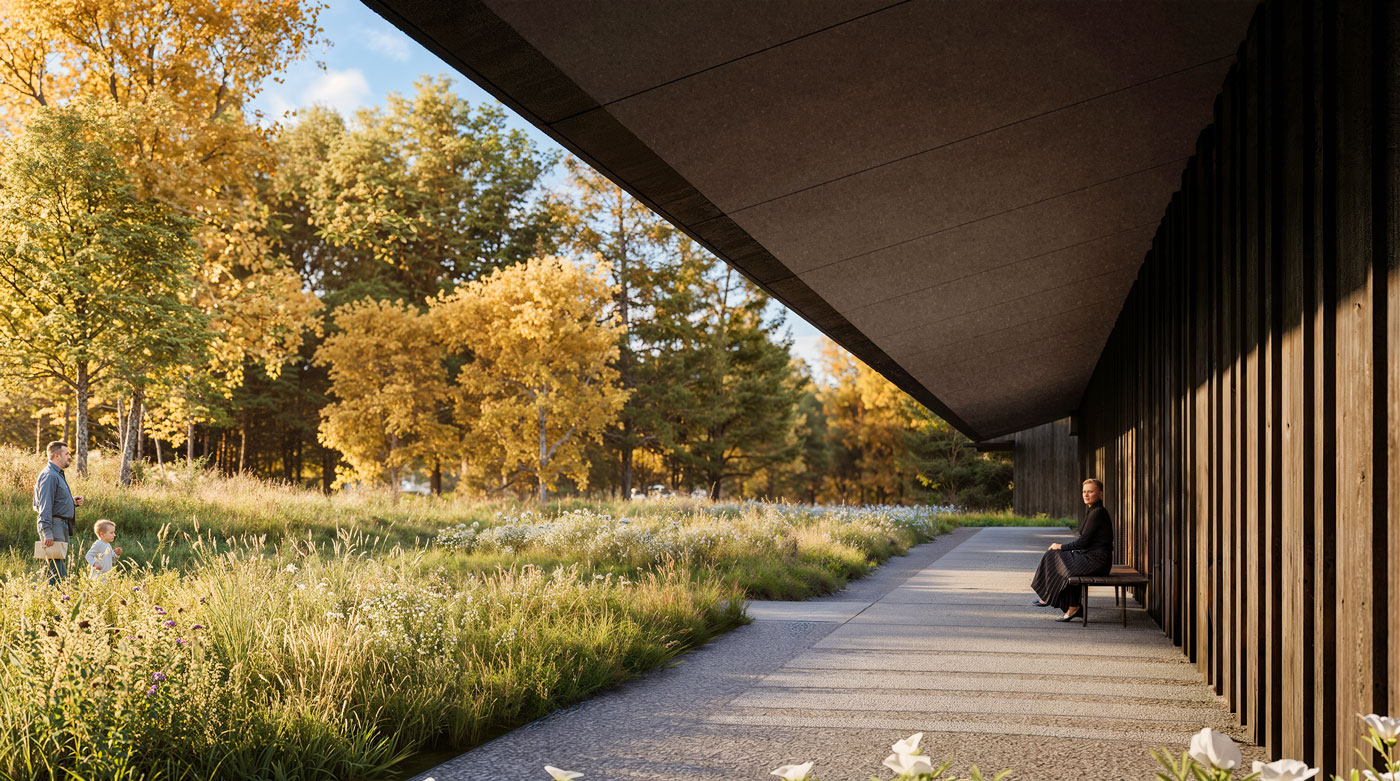
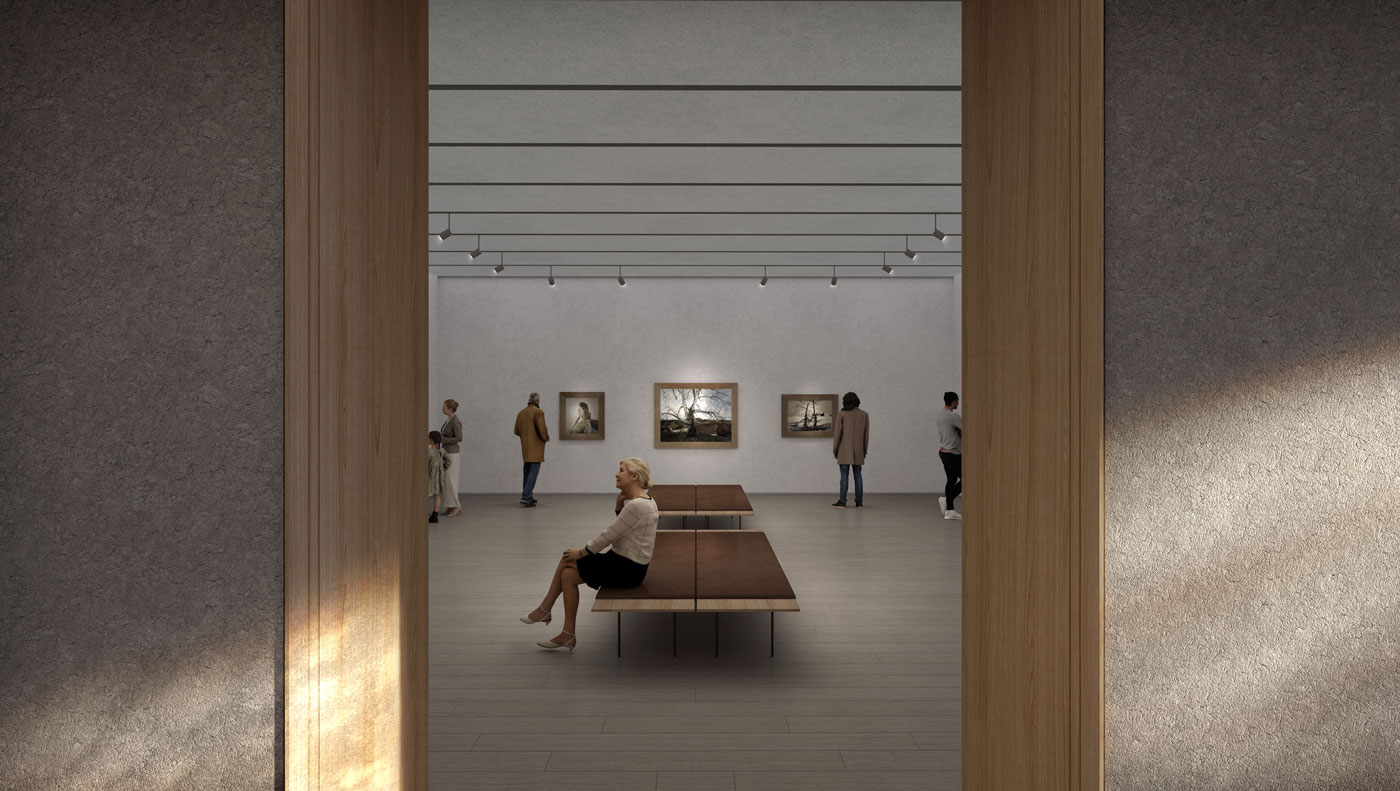
Designed as a series of interconnected, wood-clad pavilions emerging from the surrounding landscape, the architecture emphasizes natural materials, filtered light, and strong visual connections to the environment, creating fluid transitions between interior and exterior spaces. The expansion significantly increases exhibition capacity with new galleries dedicated to landscape painting, American illustration, and the work of the Wyeth family, while renovations to the historic Mill building enhance visitor amenities, educational spaces, and event facilities.
Extending beyond the museum walls, the landscape strategy introduces ten miles of trails through meadows, wetlands, native plantings, and preserved woodland, creating a publicly accessible “learning landscape” that connects the museum to the historic studios of N.C. Wyeth and Andrew Wyeth. Boardwalks, outdoor classrooms, and interpretive installations encourage exploration and environmental education throughout the site. Sustainability and resilience are central to the project vision, with ecological restoration, stormwater management systems, and flood-hardening measures integrated throughout the campus following severe flooding caused by Hurricane Ida in 2021.
Together, the project’s architectural, cultural, and environmental components establish a new model for how museums can connect audiences to both art and place through immersive, landscape-driven experiences.